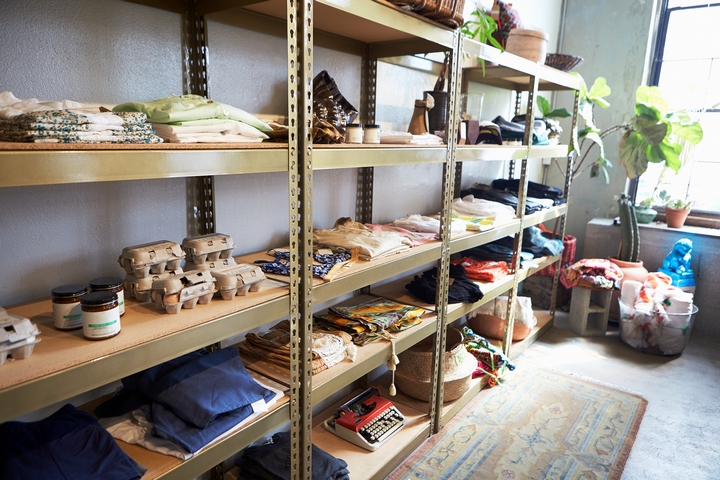
The right shelving display units for your retail store have to blend functionality, convenience, and presentation. Besides being able to accommodate your products, the appropriate shelving should be attractive enough to capture attention. It should provide various display options that conveniently display your retail products in a way that makes it easy for customers to pick them out. While different retail stores have different shelving needs, there are a number of common guidelines or tips that you can follow to ensure your shelving display unit works for your store.
1. Should Reflect Your Style and Niche

There are many different types of shelves. These include basic, classic, vintage, and high-tech shelves among others. Picking the right one depends on your style and your products’ niche. Every store has its own brand. The shelf type you choose should compliment your brand and unique store proposition. It should be attractive enough to draw in your target customers. For instance, if your shop sells mobile phones, low shelves featuring phones propped up as if sitting on a table are better than the standard regular shelves.
2. Should Be Appropriate for Your Products

Not all products can be fitted or placed on the same type of shelves. Different shelves serve different purposes. You have to consider the products that you will display on the shelves to determine the type of shelf that you need. Considerations such as the size of the shelves, fixed, or adjustable, should guide the selection of the ideal shelf. For instance, if your products are of varying sizes and shapes, adjustable shelves may be more ideal than fixed ones.
3. Available Shelf Space

As a general unspoken rule, the shelf type you settle on has to fit into your space. While this may sound like a no-brainer, there are people who buy shelves without factoring the space at their disposal. Besides, a lot of thought should go into thinking on the best way to maximize the available shelving space to avoid overcrowding and obstructive placement of shelves. The space between shelves should be wide enough to allow customers pick and drop products into their shopping trolleys without bumping into each other.
4. Buy Shelving Units That Direct the Flow of People

A retail store with a steady flow of customer traffic has to pay careful attention to the way people move along the isles. This is especially important during peak traffic times when movement of customers within your store can be quite a challenge. The right order of movement allows people to move freely and avoid bumping into each other. This can be achieved by using shelving units that subconsciously direct the flow of people throughout your store.
5. Shelves That Deter Shoplifting

Most retail stores grapple with the shoplifting challenge. There will always be people who are out to steal your products. There are, however, shelving units that are designed to minimize the risk of shoplifting. For instance, some of your most expensive items can be displayed in lockable shelving units that require an authorized member of staff to use a key to open them. However, the shelf should be transparent to allow customers view the products inside. You might also consider arranging your shelves in a way that creates dead ends along the aisles to ensure that people can only come out one way to allow easy monitoring.
Appropriate display shelving units should complement the arrangements of your products with a view to making them as easily accessible to customers as possible. While there’s no one-size-fits-all when choosing a display shelf, select one that not only makes it convenient for your customers to pick products on the shelf but also blends well with your brand and style.