
If your job entails working at least six feet above the ground, you are required to wear fall arrest gear. Besides this being a requirement, wearing one when working over 6 feet above the ground protects you from harm in the unfortunate event of a fall. Wearing arrest gear that actually works is obviously critical. The following are a few safety tips that should ensure your fall arrest system works when you most need it to.
1. Go Through Equipment Training

Any fall arrest system is useless unless you know how to use it. Thorough training on how to use it properly is thus important. When accidents happen, perfectly worn fall arrest gear can mean the difference between life, injury, or even death.
2. Regularly Inspect the Fall Arrest System

Besides knowing how to operate the system, it’s important to make sure that both the harness and the fall arrest system are in working order. Inspect the buckles, grommets and straps before wearing the equipment.
3. Wear the Fall Arrest Gear Correctly
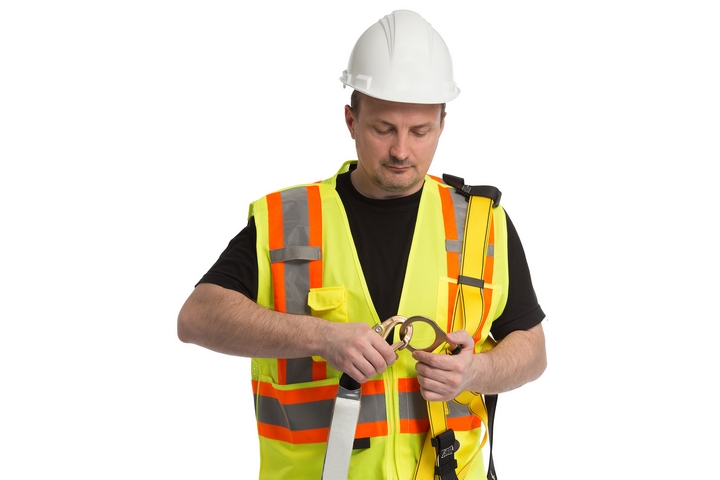
Wearing the fall arrest kit improperly could result in great harm. You should always make sure that your fall arrest gear fits tightly by adjusting the straps. Lanyards need to have a shock pack that absorbs the shock should you fall. They should, however, be customized for every employee and should also meet OSHA’s guidelines.
4. Adjust Your Leg Straps to Allow Proper Circulation

Tightening your leg straps too much will restrict the flow of oxygen to your legs. This is not a good idea, especially during winter, as your legs can go numb.
5. Have Your Rope Inspected

Always check your rope for any signs of fraying. The rope should ideally be made using fibres. A rope-catch regulates the length of the rope so as to secure a worker in case of a fall. Any rope trailing over the site of work could be a potential accident waiting to happen.
6. Use Full-Body Harnesses
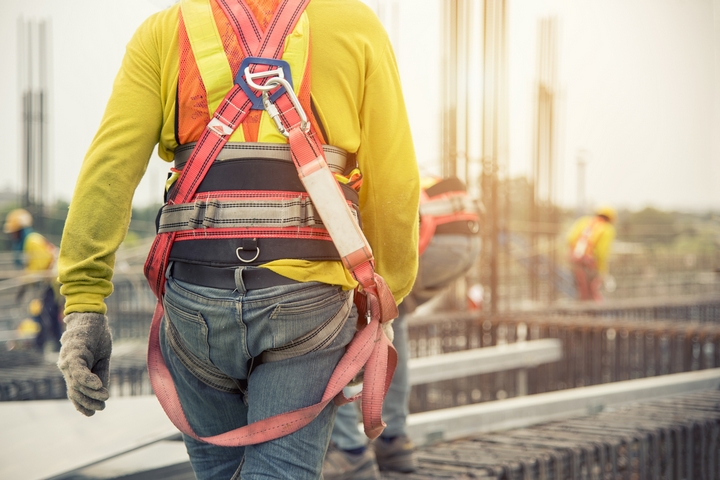
Using a body belt does not comprehensively secure you. Instead, OSHA recommends the use of full body harnesses. The goal is to make sure you are fully protected in case of a fall.
7. Use a Solid Anchor Point

The point of being anchored would be made redundant if the anchor point were to buckle under pressure. The fall arrest anchor should be strong enough to comfortably withstand 5,000 pounds of human weight. Nothing is as tragic as wearing the right fall arrest gear only for the anchor point to give in to pressure.
The anchor point is the one that absorbs your weight and its impact in case of a fall. It should, therefore, be strong and rigid enough to withstand the impact of a 2,250-pound force with only minimum deflection of no more than 0.4 inches.
8. Ensure Your Gear Meets OSHA’s Standards
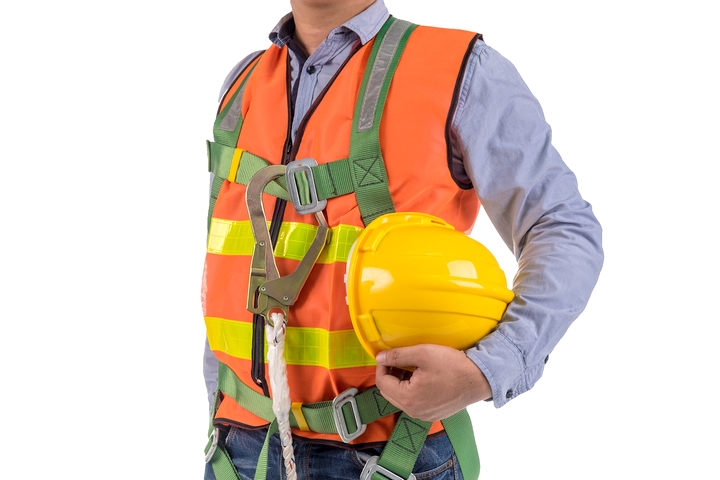
It is critical to ensure that your fall arrest gear adheres to the OSHA guidelines of safety. Your manufacturer’s manual should clearly indicate whether the fall arrest gear you have just purchased meets the regulations set by OSHA.
9. Make Proper Use of Ladders

Never assume that since you are an expert at using ladders, you can afford to be a bit careless. Even if you have never had a fall accident, it only takes one fall to wipe out your accident-free history of ladder use. Always be extremely careful when scaling ladders as they are among the leading culprits of falls.
10. Make Sure You Understand Fall Distance

You may wear your fall arrest gear properly and fasten the straps just right. However, if you hit the ground before your gear engages with the anchor point, both your fall arrest gear and the anchor point will be useless. Always make sure that you understand fall distances.