
More and more manufacturers are now focusing their efforts on implementing lean processes in order to cut costs, improve productivity, and boost their bottom line. Wasteful activities that eat away at your time and resources provide no value—either to the company or to your customers.
The first step to eliminating waste and moving toward lean manufacturing is to identify the different types of waste in your manufacturing plant.
Here are seven different types of waste you’ll need to identify in your processes.
1. Overproduction
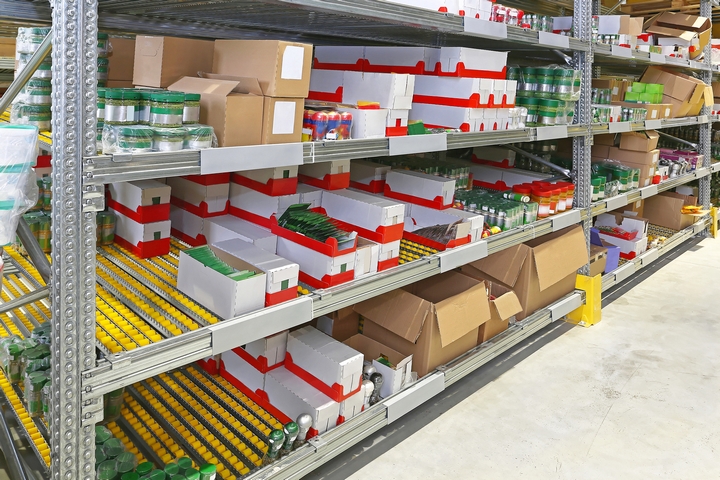
Overproduction is driving up costs in your manufacturing plant. It’s described as manufacturing items before they’re needed. Overproduction stalls the smooth flow of materials while also degrading product quality, as well as your productivity. High storage costs and long lead times are consequences of overproduction.
Once you can identify this type of waste in your company, you can adopt a just-in-time manufacturing system, which ensures products are only manufactured when there’s a need to do so—when they can be immediately shipped and sold.
2. Waiting
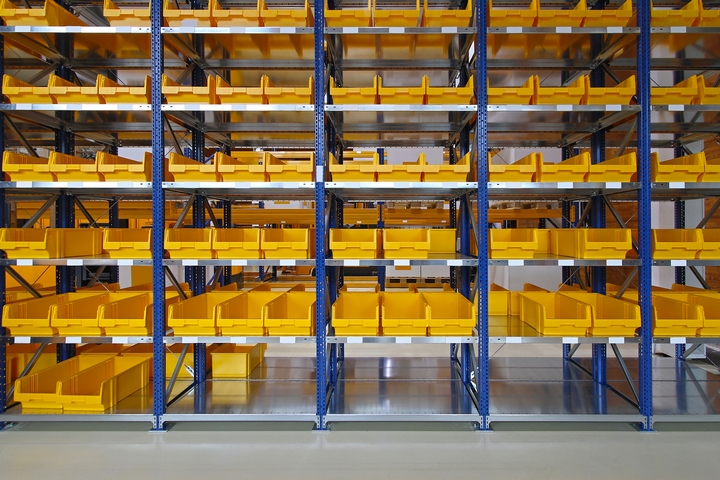
When your material flow isn’t efficient, or your production runs are too long, you’ll be wasting significant time waiting for the next step in the operation. Bottleneck processes are costly to a factory and cannot be recovered. Ideally, goods should always be moving or processed—not in a long queue. Ensuring the steps of your manufacturing process link together and feed directly into one another can help you reduce waiting waste.
3. Transportation

Waste does not just occur inside the walls of your factory. It can also occur during transportation. Any time products are required to be transported between processes, your company incurs a cost. Further, damage and deterioration often occur in transportation, leading to even more waste and costs. Moving processes closer together may be difficult, and it may be difficult to decide which processes to move but doing so will enhance your bottom line. Using a mapping product flow can help you visualize this process and make the required changes.
4. Inappropriate Processing
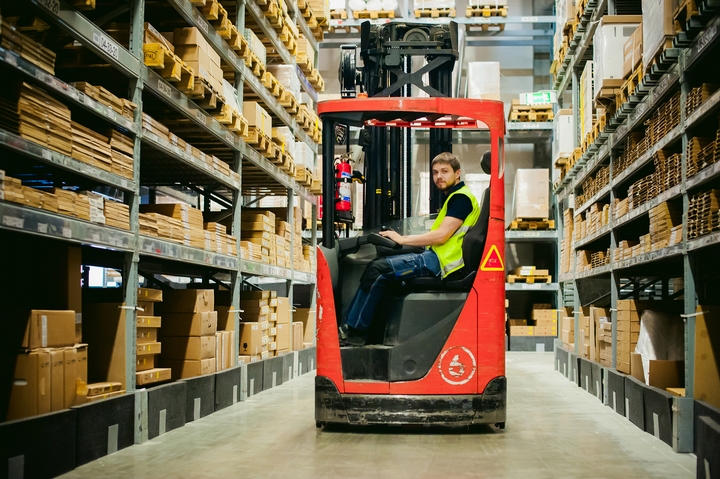
You may believe your high-precision equipment is necessary to do the job, but often simpler and more cost-effective tools can do the job just the same. Combining steps, using smaller and more flexible equipment, and creating manufacturing cells can all help you reduce the costs of inappropriate processing waste.
5. Excess Inventory
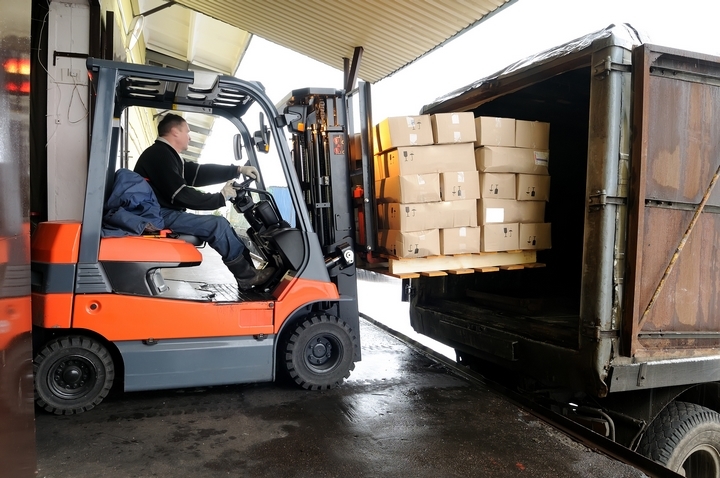
Excess inventory occurs from overproduction as well as waiting waste. The consequences of excess inventory include lost floor space, long lead times, and delays in problem identification. By using just-in-time manufacturing, you can cut out excess inventory and achieve a better flow between work centres, enabling you slash associated costs.
6. Unnecessary Motion
Unnecessary motion can be seen as a health and safety issue. In your manufacturing plant, your workers may be required to use excessive motion, such as too much bending, lifting, reaching, stretching, or walking. Focus on redesigning your factory to reduce this waste, and you’ll not only save time but also improve worker safety and morale.
7. Defects

Product defects add no value to your company. In fact, they have a tremendous cost to your company. The costs of defects include re-inspections, re-scheduling, inventory quarantining, and capacity lost. If defects are a large percentage of your total manufacturing cost, you have a key opportunity to increase your bottom line. Continuous process improvement can help reduce defects and their associated costs.
By first identifying the seven types of waste, you can take the necessary steps to eliminating them in your factory. Using key systems such as just-in-time manufacturing and continuous process improvement, as well as custom material handling solutions, can help you get on the path to lean manufacturing.